
Snowboarders have many tricks. There are many tricks you can do on snowboards. Here are some examples of some of these most commonly used tricks. These tricks require strength, balance, and timing. You'll soon be able to master more advanced tricks once you have mastered the basics.
Noseslides
A Noseslide can be described as a snowboard trick, where the rider slides down a hill frontside. While it looks similar to a nollie frontside, the weight and approach of this trick is quite different. To practice a Noseslide, it is helpful to practice it on the ground. To start the slide, jump up to your front foot and move your board underneath you.
There are two types, boardslides (or nosebluntslides), of noseslides. The easiest involves moving forward. The second is more complicated.
Hardway spins
Hardway spins with snowboards are a popular technique that you can do either on your heels or on your toes. This trick requires that you first engage your toeside edge. Next, move your body weight towards the opposite side of the board.
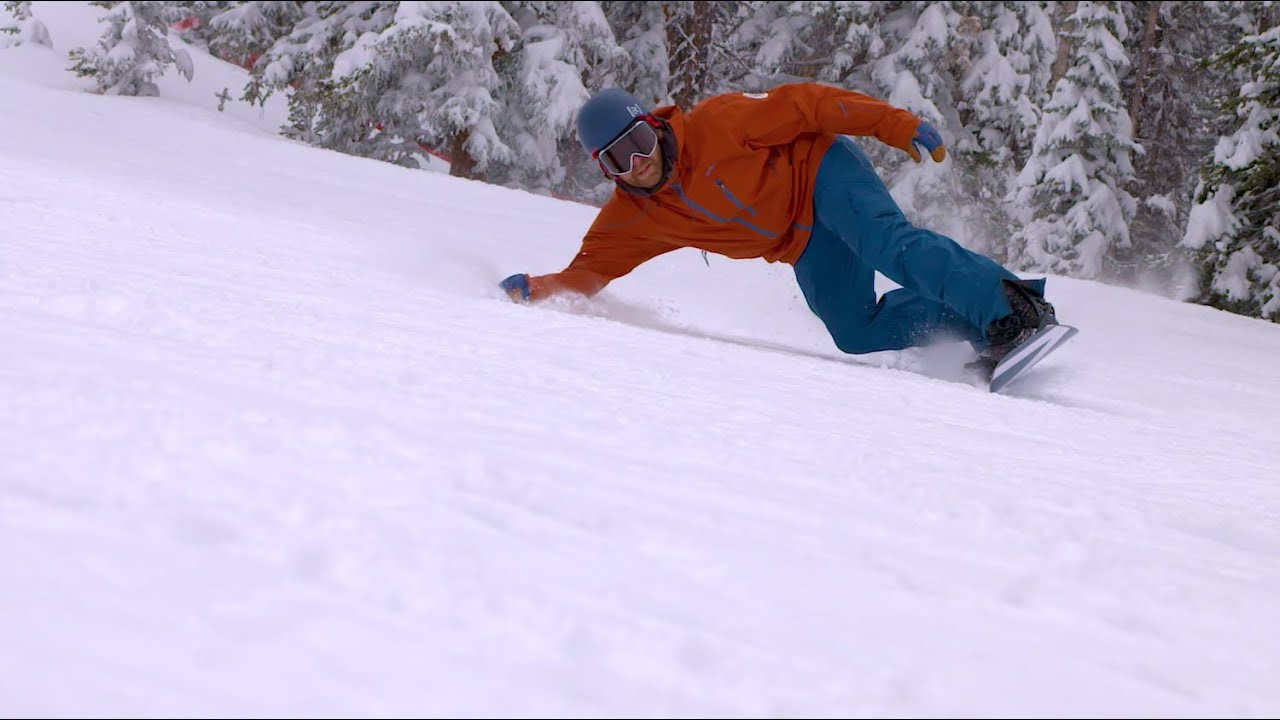
Toeside spins can be done quickly. Toeside spins can be performed more easily than backside ones. It is easier to perform and turn into spins with the toes than with the heels.
FAQ
Who can take part in extreme sport?
Anyone who wants to try something new can take part in extreme sports. Both can be done, regardless of whether you are looking to learn more or to compete with others.
There are many kinds of activities available. Some involve jumping from a high cliff. Others involve long distance cycling. Others involve riding a bicycle for long distances.
Some extreme sports require special skills. For example, skydiving requires training before you attempt to jump out of an airplane. Parachuting requires practice.
Extreme sports have become very popular among young people. They can often be used to relax and enjoy the natural world. They are popular with athletes who work hard to improve their performance.
Why do people enjoy extreme sports?
Extreme sports can be enjoyed for many reasons.
They offer thrills.
Extreme sports can be exciting. They tend to be unpredictable and sometimes scary.
They give people the chance to push their boundaries. You never know what will happen next!
Fourth, they enable people to escape from their daily lives.
Fifth, they allow people to express themselves through original forms of art. Extreme sports include surf carving, which is an artistic expression.
Sixth, they keep people fit. Many extreme sports are good for your body. Skydiving is a great way to improve coordination, balance, strength, and coordination.
Extreme sports are fun. People love being in a group, especially if they are having a great time.
Is football an extreme sport?
It depends on who asks. Millions of people play football all over the world for thousands of years. Many would argue it isn't a sport but a form or entertainment. Some argue that it's as much a game as any other. And then some believe that football is nothing less than the ultimate sport.
Truth lies somewhere in-between these extremes.
Football is an extreme game. However, it requires teamwork, strategy and skill.
Statistics
- Nearly 30% of all boardsailors live in the South, and more than 55% of all boardsailors live in cities with a population of more than two million people (momsteam.com)
- Based on the degree of difficulty, the routine is scored on form and technique (50 percent), takeoff and height (20 percent), and landing (30 percent). (britannica.com)
- Landscaping and grounds-keeping— according to government labor statistics, about 18 out of 100,000 workers in the landscaping industry are killed on the job each year. (rosenfeldinjurylawyers.com)
- Overall participation has grown by more than 60% since 1998 - from 5.9 million in 1998 to 9.6 million in 2004 Artificial Wall Climbing. (momsteam.com)
- Boxing— 90% of boxers suffer brain damage over their careers, and this is not surprising in the least, considering that they are throwing punches at each other's heads. (rosenfeldinjurylawyers.com)
External Links
How To
How can I get started in Base Jumping
Base jumping is also known as parachuting or free-fall. It involves jumping from fixed objects such as buildings, bridges and towers without any equipment. To safely land, the participant jumps from the object. The process is very similar to skydiving. However, you do not need to wear a parachutee and don't have hold your breath while waiting for the parachute to open.
A wingsuit-type base jumper, is the most commonly used. A wingsuit is two pieces of fabric joined together. One piece covers your chest and arms while the other covers your legs. Special boots are worn by the jumper that allow him/her stand upright in flight. During descent, the jumper pulls the straps attached to his/her feet tight, which causes the material covering the legs to bunch up, creating a large pocket of air underneath the jumper's body. When this air pocket becomes big enough, the jumper opens his/her parachute and lands safely.
Base jumpers often use powered suits to get through the air quicker. Two main components of powered suits are a backpack with batteries and a pack that can be worn underneath the jumper's clothing. These packs contain small rockets that shoot jets of hot gas at high speeds. This creates a thrust that propels the jumper forward. However, these suits can be heavy and loud.
BASE jumping can be a dangerous sport. Learn how to BASE Jump. Be aware of the risks. There are several ways to die while doing BASE jumping: you could fall off a steep cliff, hit an obstacle head-on, upside down or collide with another jumper. Although BASE jumping can be dangerous in some cases, it can also prove to be extremely dangerous if done wrong. To avoid injury, check out the following safety tips before attempting to BASE jump.
You can start by learning BASE jumping skills on a smaller hill. You should always take a few minutes to get comfortable with the terrain before jumping off a larger one. Also, be aware of weather conditions. You should not jump when the wind blows in your face. Foggy skies should be avoided. If your vision is less than 10ft in front of you, you may need a break until the clouds clear. You should also ensure you have the correct gear. It is important to have proper gear. Fourth, make sure you have a plan. Ask someone to join you if things go wrong before you leave the ground. Don't ever jump by yourself. Always have someone watching over you.