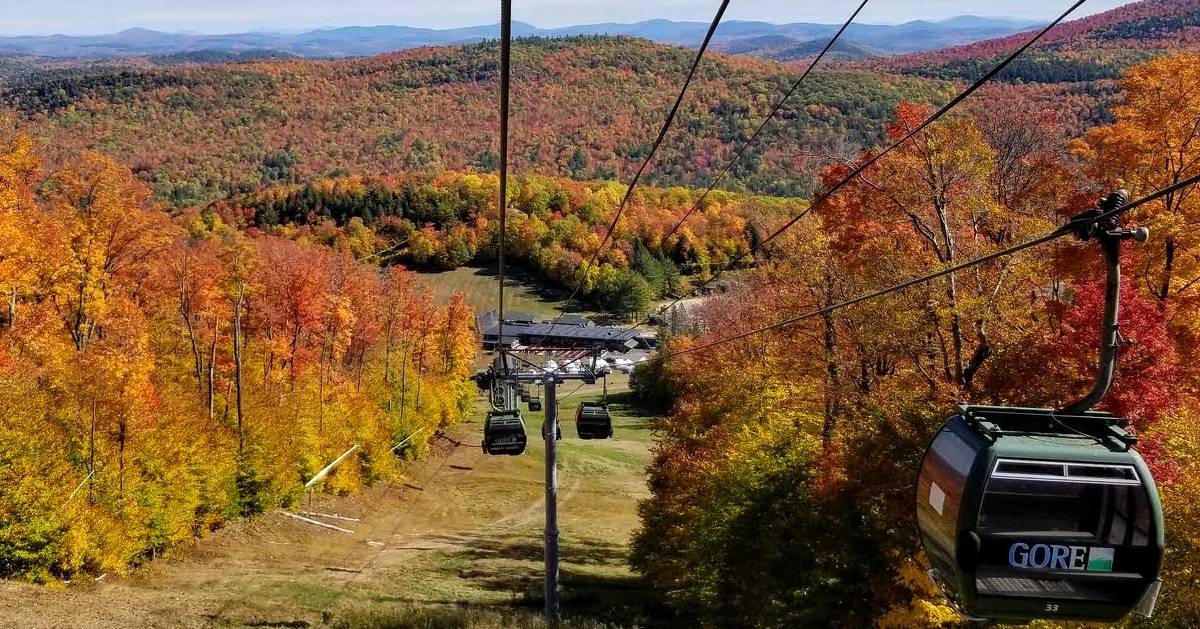
The process of developing a mountainbike project can be complex. The project needs planning, approvals and evaluations. It can also affect the tourism market. Mountain biking can become a mainstream activity through the project. Before you begin, be sure to review the permit requirements.
After residents raised the question of creating a mountain biking facility, Warburton MTB Project was established. The project was supported by a Healthy Parks, Healthy People grant from Parks Victoria, and was subject to a feasibility study from the City of Warburton.
To develop the trail, the Rhett Walters memorial trails committee collaborated with the Parks and Recreation Department. The committee's goal is to find a location that allows maximum use and minimizes impact on surrounding environments. The Parks and Recreation Department began to work with the committee in February 1997.
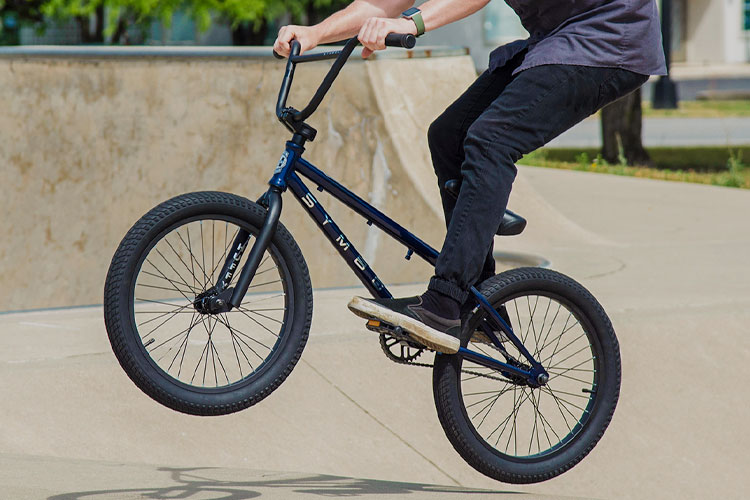
The Rhett Walters Memorial Mountain Bike Trail was dedicated on October 30, 1999. It was built to avoid the Bear Creek drainage. This was done to minimize any impact on the environment and allow for the use of the trail by all mountain bike riders.
The trail is surrounded Yarra Ranges National Park, state forest, and Warburton. The trails are spread over multiple areas, and will require approvals from the local government to ensure safety.
The Warburton MTB project has been in development for over two years. The project was supported by more than 22 people who testified at a public hearing held December 8, 2010. The public hearing was well attended and the Parks and Recreation Commission approved a proposal for the project's development. Following the approval of the concept, the Commission held another public hearing to decide whether it would endorse or deny funding.
In the end, the Commission did not recommend the project for endorsement. The Memorial Committee asked for a planning committee to make a revised plan that would be presented to the Commission. This plan would include an evaluation of the impact on the local economy and tourism market. The committee could also recommend trail sites or evaluate potential sites.
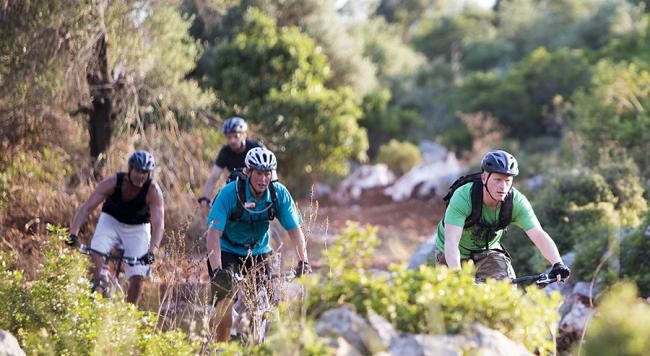
The MTB Project is a database of mountain bike trails that is maintained by the International Mountain Bike Association (IMBA). The database has been created by Adventure Projects, a company that creates authentic communities for outdoor activities. The database is not the only thing included in the project. There are also photos, virtual rides, and a website. The database contains over 39,000 trails from all parts of the world. The project also includes interactive features and GPS capabilities. The riders and regional experts compile the trail information. The data is user-generated, and the database is continuously expanding.
Since 1996, the USGS has used MTB Project data to compile trail data. The data is used for the creation of a map that shows the elevations, peak names, and other land classifications. This map can be used to create a base map of the trail. The map can also be viewed via an Android or iPhone phone.
FAQ
Can kids participate in extreme sports?
This depends on whether we are talking about sports as a whole, or just one sport. They should attempt all sports activities. It would be different if they were talking about skiing or other types of sports. Some people like extreme sports, such as bungee-jumping, while others prefer the more gentle downhill skiing. It all depends on the risk involved. For example, someone who enjoys bungee jumping might not enjoy skydiving because of a fear of heights.
What makes a sport extremely extreme?
Sports have been around since antiquity. They've evolved to be more than just competitions for athletes. Some sports are so popular that they have become part of our culture.
High levels of competition make some sports extreme. Professional basketball players often play each other for hours on end. Other sports are more extreme as they require special equipment. Snowboarding is a sport that involves riding downhill on two wheels attached at the bottom.
Other sports are considered extreme because the rules are different from other sports. For example: Soccer is played differently from American football.
Some extreme sports involve athletes performing feats that are beyond their abilities. Gymnastics, for example, can be very difficult as the athletes balance on different objects and avoid falling.
What skills do I need for extreme sports?
Practice every day in order for you to excel at any extreme sport.
Learning new moves and tricks is part of practicing. This will allow you to improve your performance.
Before trying to do anything new, you must be familiar with basic safety rules.
For example, helmets should always be worn. Keep your distance from others.
And you should never try to perform stunts without a spotter. A spotter is there to supervise you while performing your stunt.
Which is the most dangerous of extreme sports?
It's snowboarding, because you balance on top a board while falling from a mountain at high speeds. If you fall in the wrong direction, it could lead to your death.
Do extreme sports need expensive equipment
Yes. Extreme sports equipment can run into the thousands. These activities are affordable for those who don't have the means to pay a lot.
How is parasailing different from parachuting?
Para-gliding involves flying above the ground using a harness attached to a small sail. The harness allows for you to fly. It helps you stay safe as you fall through air.
Flying is easy with no equipment. Attach yourself to the sail. Then you go off. As you rise in altitude, the wind pulls against the sail. This makes it lift you.
You continue moving forward as you glide along the ground. Your momentum carries you forward until you reach the end of the cable. At that point, you release your grip and fall back to earth.
You can reattach the sail when you are ready to begin again.
Parasailing is rapidly growing. In 2013, parasailing was enjoyed by more than 1 million people. This is almost twice the number of people who participated in parasailing in 2008
Statistics
- Approximately 50% of all wakeboarders have been participating in the sport for 1-3 years. (momsteam.com)
- According to the United States Parachuting Association, about 21 people die yearly from skydiving. (livehealthy.chron.com)
- Nearly 40% of all mountain bikers have at least graduated from college. (momsteam.com)
- Based on the degree of difficulty, the routine is scored on form and technique (50 percent), takeoff and height (20 percent), and landing (30 percent). (britannica.com)
- Landscaping and grounds-keeping— according to government labor statistics, about 18 out of 100,000 workers in the landscaping industry are killed on the job each year. (rosenfeldinjurylawyers.com)
External Links
How To
How do I begin base jumping?
Base jumping (also called free-fall Parachuting) allows participants to jump from fixed objects (usually cliffs), including bridges, towers and buildings, with no equipment attached. Jumping off an object is done by the participant. The parachute then helps them land safely. This is similar to skydiving except that you don't need to use a parachute and you don't have to wait for it to open.
The most common type is a wingsuit jumping suit. A wingsuit has two pieces of fabric, which are sewn together. One piece covers the chest, arms, and legs while the second covers the legs. The jumper wears special boots that allow him/her to stand upright during flight. The jumper pulls on the straps to his/her feet to descend. This causes the material covering the legs and legs to bunch up. This creates a large air pocket underneath the jumper. When this air pocket becomes big enough, the jumper opens his/her parachute and lands safely.
Base jumpers often use powered suits to get through the air quicker. Powered suits have two main parts: a backpack containing batteries and a jet pack worn under the jumper's clothes. These small rockets shoot hot gas jets at high speeds from these packs. This creates thrust which propels the jumper forward. However, these suits tend to be loud and heavy.
BASE jumping can be a dangerous sport. Make sure you fully understand the risks associated with learning BASE jumping. There are several ways you could die doing this activity: falling off a cliff, hitting an obstacle head-on or upside down, or colliding with another jumper. Even though BASE jumping is not always dangerous, it can be very dangerous when done incorrectly. Before you attempt to BASE jump, make sure you follow these safety tips.
First, practice safe BASE jumping techniques by practicing on a smaller hill. Before jumping from a bigger hill, you should take a few moments to become familiar with the terrain. Watch out for weather conditions. If the wind isn’t blowing, don’t jump. Foggy skies should be avoided. If your vision is less than 10ft in front of you, you may need a break until the clouds clear. Third, make sure you have the right gear. Be sure to have the right gear. Fourth, have a plan. For any problems, have someone else follow you. Don't jump alone. Always have someone watching over you.