Snowboarding has become a popular activity for kids, and a great way to get them out of the house. It's a fun and exciting sport that also gives the family some quality time together.
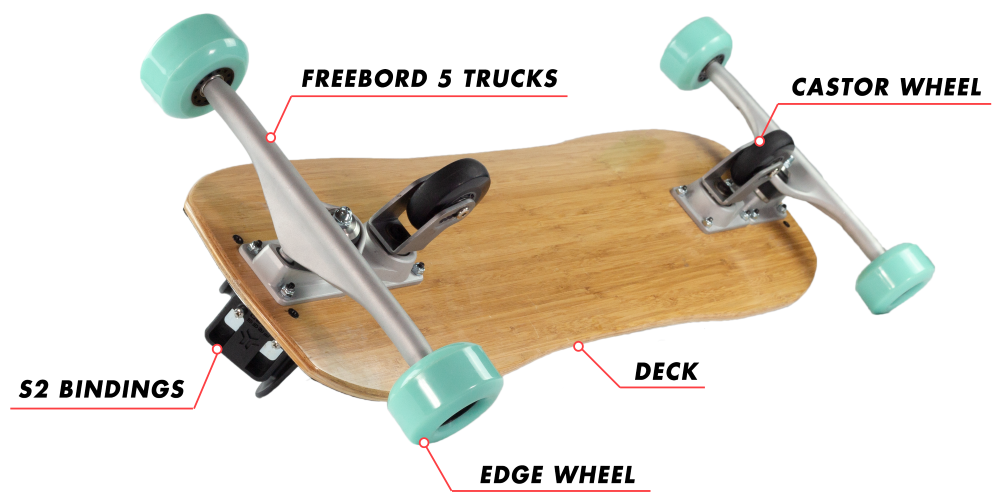
To teach their children how to snowboard, parents must first get the correct equipment. This includes the snowboard, helmets, skis or boot and bindings.
Children need to have the right snowboarding equipment in order to learn how they can ride safely. It will teach them how to buckle up and unbuckle themselves. The helmet should fit them properly and have goggles or straps attached.
This is especially true for younger kids who are still learning. This is true especially for kids who are learning.
It's time to get your child on the slopes once they have the right gear! But before you do that, make sure they learn the basics.
Let your child practice standing up on their board, this is one of the hardest things to do at first! If you don't have a slope, you can ride at home.
They can use a rope to help them pull themselves up or they can push themselves with their legs inside the bindings. They will be able to improve their core strength as well as their balance.
A good idea is to get them to practice turning their snowboards before trying it on the slopes! This will give them the feeling of the board and allow them to turn the right way without getting their legs stuck.
Next, you'll want to teach them how to ride on the heel and toe. It is possible to do this at a smaller slope like the bottom of the bunny hill. For these lessons, it is most important that the board is parallel to the slope. Standing in front, you can guide them down the slope. It's important to understand words like "stay back" and "stay low."
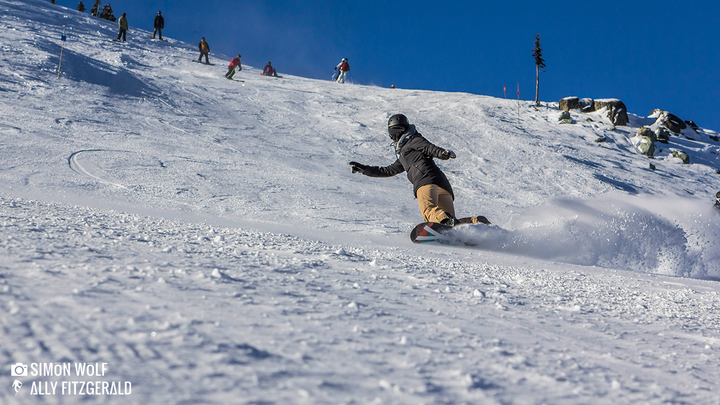
Once they can do this, they'll need to learn how to stop. They'll also need to know the best way to do it safely.
The most important thing to teach your child to ride is to be patient, and to have fun. It can be hard for kids to focus at the beginning, but if you're patient and have a little fun, they will quickly pick up on what they need to do.
You should sign up your child for a lesson if you haven't done so already! They will be able to learn from other children who are the same age as them, and they will also develop the skills necessary to ride safely.
FAQ
Who participates in the extreme?
Extreme sport is open to everyone, regardless of age or ability. Extreme sports interest children just as much,
You can play tag, dodgeball and capture the flag with younger children. You can also join a team and compete against other kids.
Adults can choose to play in either team or individual sports. There are many ways to find a group to play in.
You will likely need to ask someone familiar with the process to help you start.
What makes a sport extreme?
Sports have been around for thousands of years. They've evolved to be more than just competitions for athletes. Some sports have become part of our culture.
Because of the high level of competition, some sports can be considered extreme. For example, professional basketball players play against each other almost daily for many hours. Some sports require special equipment. Snowboarding, for instance, is riding down hills on boards that have two wheels attached to their bottoms.
Because of their rules, other sports can be considered extreme. For example, American football is played differently in soccer.
Some extreme sports involve athletes performing feats that are beyond their abilities. Gymnastics, for example, can be very difficult as the athletes balance on different objects and avoid falling.
What happens if someone falls off a cliff while doing extreme sports?
Participating in extreme sports could cause you to fall off a cliff and break bones, or even your neck.
This injury could prove to be life-threatening. If you fall from more than 30 metres (100 feet), you could get serious injuries.
What skills do I need for extreme sports?
You must practice each day to become proficient in extreme sports.
Practice includes learning new moves and tricks. You will improve your performance by doing this.
You must also master basic safety rules before trying anything new.
Helmets are a good example of protective gear that you should wear. You should stay within sight of others.
And you should never try to perform stunts without a spotter. During your stunt, a spotter will be there to watch over you.
What could go wrong in extreme sports?
There are many situations that could occur when you take part in extreme sports. There are many possible outcomes, including falling off cliffs, injury, and being captured by the media.
You can avoid problems if these risks are known and you take preventive measures.
Just make sure you have the right equipment.
If you get hurt in an extreme sport you can always count on someone to help you. You will be treated for injuries if you need it.
Sometimes injuries happen suddenly. Sometimes, this happens because of poor judgment.
For instance, climbing too close to a cliff edge may slip over the side. Or if you jump into icy water, you might suffer hypothermia.
Sometimes other people's mistakes can cause accidents. In some cases, injury can be caused by others.
Sometimes, bad luck can cause accidents. For instance, you might land on a rock when you are falling. Sometimes, lightning strikes you.
When did extreme sport become so popular?
Extreme sports have seen a surge in popularity over the past 10 years. Yet, very little research has been done on why this phenomenon is occurring. This report will discuss what we know regarding the rise in extreme sports.
We also examine how extreme sports have become more popular since the 1990s.
We found that extreme sports have been overgrown in many countries. We noticed a lot of growth in the United States and Canada, Australia, New Zealand South Africa, South Africa and Europe.
We also discovered that extreme sporting activities are not very popular in some countries, like Brazil, China India, India, Russia, Russia, and Brazil.
Statistics
- Boxing— 90% of boxers suffer brain damage over their careers, and this is not surprising in the least, considering that they are throwing punches at each other's heads. (rosenfeldinjurylawyers.com)
- Landscaping and grounds-keeping— according to government labor statistics, about 18 out of 100,000 workers in the landscaping industry are killed on the job each year. (rosenfeldinjurylawyers.com)
- Approximately 50% of all wakeboarders have been participating in the sport for 1-3 years. (momsteam.com)
- Since 1998, overall participation has grown nearly 25% - from 5.2 million in 1998 to 6.5 million in 2004. (momsteam.com)
- Nearly 98% of all "frequent" roller hockey participants (those who play 25+ days/year) are male. (momsteam.com)
External Links
How To
Can I learn to windsurf myself?
Yes, you can!
You can learn windsurf online at any age from anywhere in the globe. This can be done in many ways, including learning online, taking classes, joining clubs, and finding an instructor. Windsurfing Schools UK allows you to search for courses in your area.
You must ensure that your body can handle windsurfing. You should be able to do basic movements such running, jumping and climbing stairs without pain. Windsurfing can make you feel sore if you are overweight. Once you know if you are physically ready for windsurfing, the next step is to choose the type and model of equipment. Some people prefer to learn how windsurf with a traditional wooden sailboard. Others prefer to use a kiteboard. It depends on where you practice.
After you've decided on the type of windsurfing gear that you prefer, you can start to practice your new sport. Start slowly and go upwind on flatwater, then work your way toward waves. Strong winds can cause damage to your sails, so it is best to avoid them when you start out. After getting comfortable with sailing on flat water, it's possible to transition to choppy seas. Be sure to learn how you can rescue yourself if you get into trouble while windsurfing in rough seas.
Windsurfing requires patience and dedication. Although plenty of books are available on the market today, most are written for beginners who don't yet have much knowledge of windsurfing. These tips will help you learn how to windsurf.
-
You need to find a teacher who is qualified. Ask around for recommendations. Instructors are usually charged a fee.
-
Learn how to read maps - Before you go on your first lesson, make sure to study the topographical map for the area that you are going to be visiting. This will enable you to find safe areas for windsurfing.
-
You need to choose the right equipment. When you purchase windsurfing equipment make sure that it is made of high quality materials. Pay attention to the warranty and only purchase from reputable manufacturers.
-
Use windsurfing safely. For example, look for other boats, swimmers, rocks, and cliffs. Always wear a life jacket when windsurfing.
-
Have fun – Windsurfing is meant to be fun. So have fun while you learn!